
A curated science digest delivering evidence-based insights, actionable strategies, and emerging health trends to help individuals improve their health and performance.
Understanding Back Pain
A significant percentage of individuals will experience substantial back pain at some point in their lives. While not all acute episodes develop into chronic conditions, even short-term pain can meaningfully disrupt quality of life. In this article, I will provide a comprehensive overview of spinal anatomy, common movement patterns and behaviors that contribute to back pain, and evidence based strategies for prevention, management and relief. I will also explore key considerations for those aiming to avoid injury, recover from back related issues, manage intermittent or persistent pain, or navigate the complexities of pre- and post-operative care. The insights shared are informed by leading experts in pain science, clinicians and researchers who have dedicated their careers to both academic study and real world application.
Precision Health: Bloodwork, Metabolism & Personalized Medicine
In this episode of Fit First, I’m joined by Jim LaValle, Chief Science Officer at Life Time MIORA, Chair of the International Peptide Society, and Clinical Co-Chair of the A4M Advisory Board. With decades of experience spanning clinical pharmacy, metabolic health, personalized care, human performance, and integrative medicine, Jim brings a unique perspective on how we can move toward more precise and effective approaches to health. We explore drug-induced nutrient depletions and why their effects can be overlooked in conventional healthcare, the importance of comprehensive diagnostics and blood work, and how better clinical reasoning can help connect the dots between symptoms, physiology, and underlying health. We also discuss metabolic health, personalized medicine, emerging peptide therapeutics and where these tools may fit when appropriately indicated. Throughout the conversation, Jim emphasizes an important principle that can get lost amid new technologies and interventions: no advanced therapy can replace the fundamentals of managing our biology through better behaviors and sustainable choices. We also discuss healthcare innovation and the importance of adding better tools and greater precision to existing systems rather than simply replacing what already works. Jim’s ability to bridge clinical experience, scientific research, education, and emerging health technologies makes for a fascinating conversation about where healthcare is today and where it may be heading next.

Science-Backed Health Articles
Evidence-based insights from the latest research in health, nutrition, and performance. Our curated articles translate complex scientific studies into actionable strategies you can implement today, with practical takeaways and implementation guides.

Industry Expert Podcast Episodes
In-depth conversations with leading researchers, clinicians, and practitioners shaping the future of health and human performance. Each episode includes detailed show notes, key takeaways, and resource links for deeper exploration.
Science-Backed Articles
Evidence-based insights and actionable strategies for optimizing your health and performance.

The Supplement Playbook: The Science of Strategic Supplementation
When it comes to optimizing health, preventing chronic disease, and supporting performance, supplements can play a complementary role alongside foundational nutrition, exercise and lifestyle strategies. While supplements are not meant to be substitutes for whole foods, certain supplements have consistently demonstrated benefits in clinical research and provide noticeable improvements to one's health and performance. Below are five well studied options that form a strong foundation, intended to be additive to a solid diet and exercise plan, for one's overall health and well-being.

Diabetes Deep Dive: Science, Breakthroughs, and the Path Forward
In this article, I will examine the evolving scientific understanding of diabetes, including its pathophysiology, diagnostic markers and evidence based treatment strategies. From prevention to reversal, I will explore actionable lifestyle interventions supported by clinical data, as well as the role of emerging tools such as real time digital feedback, novel pharmacological agents and innovative health focused wearables helping reshape diabetes care toward a healthier future.

Tech, Toys & Tools: A Brief Review of Health Tech's Most Popular
In today’s rapidly evolving health tech landscape, there is no shortage of innovative ideas, novel devices or digital health concepts. However, transforming a concept into a product that measurably improves health outcomes is a far more complex challenge. Numerous factors can delay or undermine even the most well intentioned efforts. Among these challenges for even the most promising product includes their reliance on perceived value and user adoption. Additional consideration of product market fit and regulatory hurdles only increase the competition in a market that often favors a small handful of dominant players. In the uniquely competitive world of health tech, clinical, behavioral and technological nuance often creates further challenge.
The Oxygen Advantage
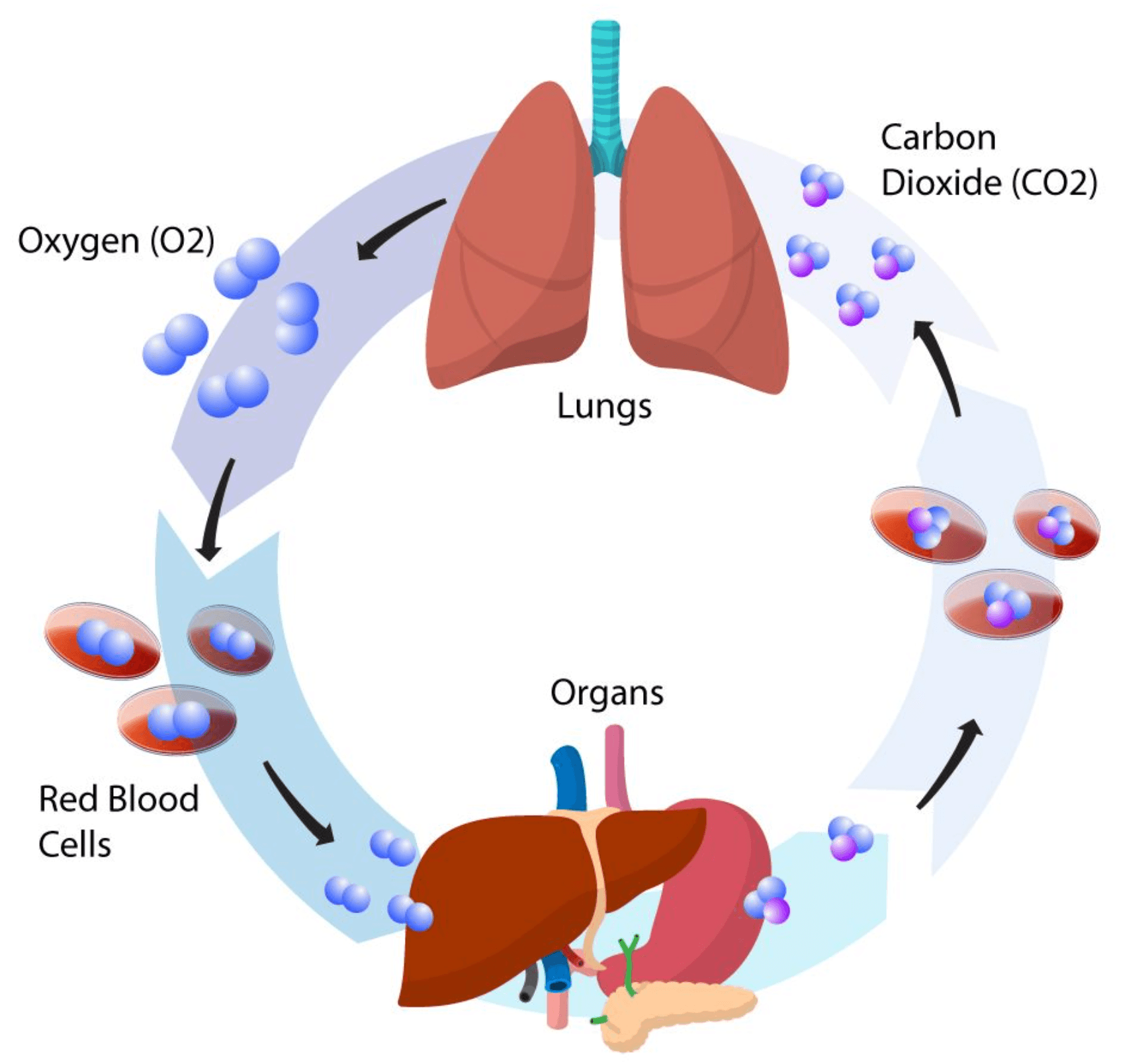
While it's clear that breathing is essential for life, far fewer understand how the way we breathe (our breathing mechanics) can significantly influence our overall quality of life. Beyond simply sustaining us, breathing patterns play a critical role in our physical health, mental well-being and both physical and cognitive performance. Controlled by the autonomic nervous system, breathing plays a fundamental role in energy production and is critical for generating adenosine triphosphate (ATP), the molecule that powers nearly every cellular function. From the nasal passages to the alveoli in the lungs, the respiratory system continuously adapts to meet the body’s shifting metabolic demands. In this article, I present a science based overview of oxygen’s role in human physiology, examine the systems responsible for its transport and utilization, and outline evidence based strategies to improve oxygen efficiency and effectiveness to support optimal health and performance.
Understanding Back Pain
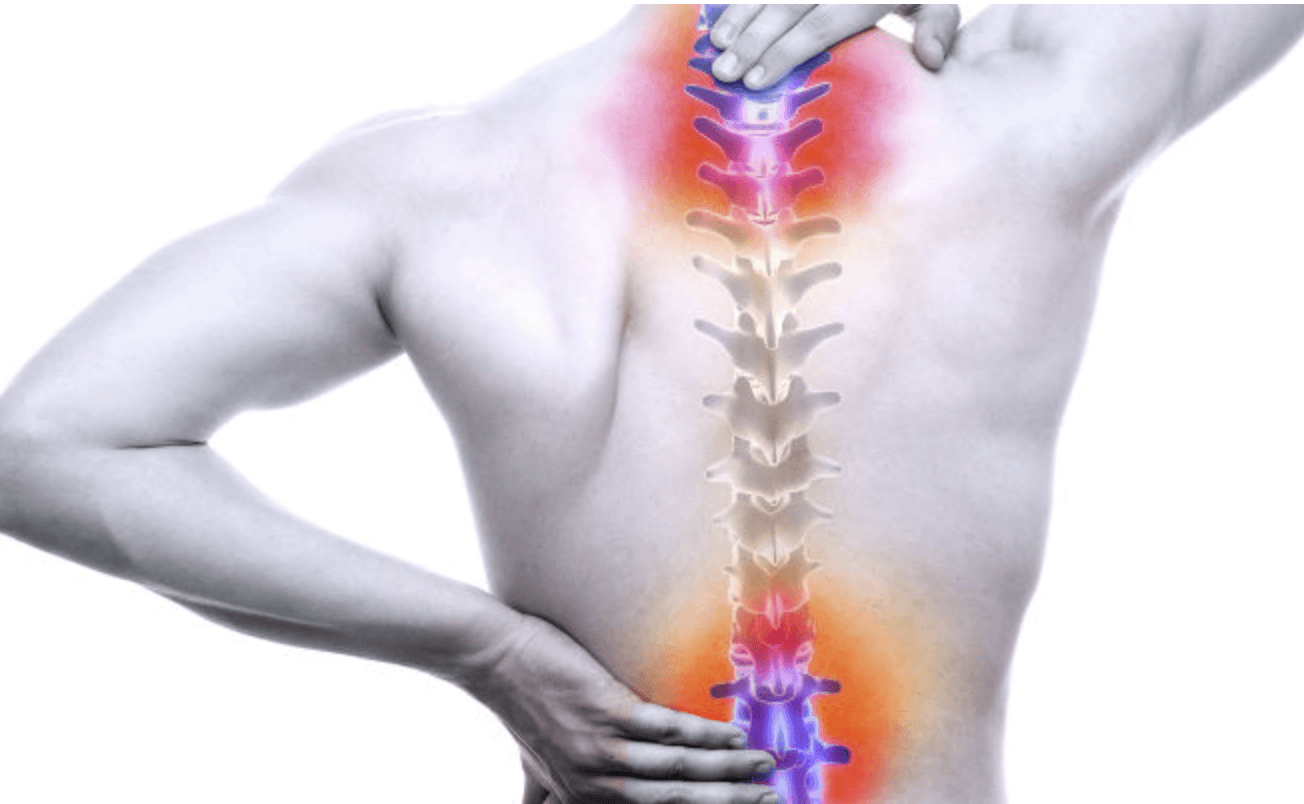
A significant percentage of individuals will experience substantial back pain at some point in their lives. While not all acute episodes develop into chronic conditions, even short-term pain can meaningfully disrupt quality of life. In this article, I will provide a comprehensive overview of spinal anatomy, common movement patterns and behaviors that contribute to back pain, and evidence based strategies for prevention, management and relief. I will also explore key considerations for those aiming to avoid injury, recover from back related issues, manage intermittent or persistent pain, or navigate the complexities of pre- and post-operative care. The insights shared are informed by leading experts in pain science, clinicians and researchers who have dedicated their careers to both academic study and real world application.

The Physiological Menu
Thermal stress offers the unique ability to deliberately influence various physiological processes within the body. This intentional "reset" enables the development of personalized strategies to support individual health and wellness goals. The benefits are extensive and often occur simultaneously, whether the focus is on cognitive enhancement, injury recovery, glucose regulation, or hormonal support. In the following, I will provide a concise overview of the scientific principles, empowering you to make data-informed decisions when tailoring your wellness strategies.
Expert Podcast Episodes
Engaging, in-depth conversations with world-class researchers, clinicians, and industry leaders at the forefront of health, performance, and longevity. Each episode distills cutting-edge science into clear, practical insights.
Latest Episode
Precision Health: Bloodwork, Metabolism & Personalized Medicine
In this episode of Fit First, I’m joined by Jim LaValle, Chief Science Officer at Life Time MIORA, Chair of the International Peptide Society, and Clinical Co-Chair of the A4M Advisory Board. With decades of experience spanning clinical pharmacy, metabolic health, personalized care, human performance, and integrative medicine, Jim brings a unique perspective on how we can move toward more precise and effective approaches to health. We explore drug-induced nutrient depletions and why their effects can be overlooked in conventional healthcare, the importance of comprehensive diagnostics and blood work, and how better clinical reasoning can help connect the dots between symptoms, physiology, and underlying health. We also discuss metabolic health, personalized medicine, emerging peptide therapeutics and where these tools may fit when appropriately indicated. Throughout the conversation, Jim emphasizes an important principle that can get lost amid new technologies and interventions: no advanced therapy can replace the fundamentals of managing our biology through better behaviors and sustainable choices. We also discuss healthcare innovation and the importance of adding better tools and greater precision to existing systems rather than simply replacing what already works. Jim’s ability to bridge clinical experience, scientific research, education, and emerging health technologies makes for a fascinating conversation about where healthcare is today and where it may be heading next.
Recent Episodes

Precision Health: Bloodwork, Metabolism & Personalized Medicine
In this episode of Fit First, I’m joined by Jim LaValle, Chief Science Officer at Life Time MIORA, Chair of the International Peptide Society, and Clinical Co-Chair of the A4M Advisory Board. With decades of experience spanning clinical pharmacy, metabolic health, personalized care, human performance, and integrative medicine, Jim brings a unique perspective on how we can move toward more precise and effective approaches to health. We explore drug-induced nutrient depletions and why their effects can be overlooked in conventional healthcare, the importance of comprehensive diagnostics and blood work, and how better clinical reasoning can help connect the dots between symptoms, physiology, and underlying health. We also discuss metabolic health, personalized medicine, emerging peptide therapeutics and where these tools may fit when appropriately indicated. Throughout the conversation, Jim emphasizes an important principle that can get lost amid new technologies and interventions: no advanced therapy can replace the fundamentals of managing our biology through better behaviors and sustainable choices. We also discuss healthcare innovation and the importance of adding better tools and greater precision to existing systems rather than simply replacing what already works. Jim’s ability to bridge clinical experience, scientific research, education, and emerging health technologies makes for a fascinating conversation about where healthcare is today and where it may be heading next.

The Innovator's Approach to Movement, Human Potential & Athletic Expression
What if movement is not simply something we train, but a language through which we express human potential? In this episode of Fit First, Blake Koehn sits down with David Weck, entrepreneur, inventor, movement innovator, and author of Every Step Stronger, for a wide-ranging conversation about the way we understand and interact with the human body. David has spent decades challenging conventional ideas about movement, exploring the incredible diversity of ways the human body can move, adapt, and express itself. Together, Blake and David explore the intersection of anatomy, movement, athletic expression, human potential, creativity, and innovation, while discussing why our approach to physical training may benefit from thinking beyond traditional exercise paradigms. The conversation also extends beyond movement itself into David’s entrepreneurial journey, the process of turning unconventional ideas into real-world innovations, and what it means to remain curious enough to question assumptions that others take for granted. This is a conversation about movement, but also about how we think. What happens when we stop asking, “What is the correct way to move?” and start asking, “What is possible?

The Science of Elite Performance: Decoding Athletic Potential
What actually drives adaptation in high-level athletes? In this episode of Fit First, I sit down with legendary strength and conditioning coach Cal Dietz, one of the most influential performance coaches of the modern era. Cal has spent decades coaching at the highest levels of sport, including work with the University of Minnesota, USA Hockey, Olympic athletes, and national championship programs. His work has fundamentally influenced how coaches approach strength, power, athletic development, and performance. We go deep on the foundational principles behind the Triphasic Method, including why the timing, exposure, and sequencing of training stimuli matter when trying to create specific adaptations. As Cal explains, knowing when and how to apply a stimulus can be just as important as the stimulus itself. Beyond Triphasic, we explore Cal’s broader coaching philosophy, activation strategies, programming principles, injury resilience, movement quality, and how emerging performance technologies can be integrated into modern training systems. Cal has a unique ability to translate complex physiology into practical, repeatable coaching systems. His methods have influenced thousands of coaches and contributed to the development of Olympic athletes, national champions, professional competitors, and elite performance programs around the world. Whether you're a strength coach, clinician, therapist, performance professional, or serious athlete, this conversation offers practical insight into programming, adaptation, and the principles that underpin long-term athletic performance.

The Science of Healthy Aging: Living Longer, Stronger & Better
In this episode, I sit down with entrepreneur, bestselling author, athlete, and world-renowned health educator Mark Sisson to explore the principles, strategies, and mindset behind sustained health, performance, and healthy aging. We discuss metabolic flexibility and how a practical, applied approach to nutrition can support metabolic health, physical performance, and long-term healthspan. Rather than chasing the latest trend, Mark shares his perspective on the foundational principles that continue to matter most. In the full conversation, we go deeper into exercise selection, the potential pitfalls of the modern biohacking movement, and how the pursuit of optimization can sometimes distract from the fundamentals of health and longevity. We also explore Mark’s remarkable entrepreneurial journey—from building the Primal brand and Primal Kitchen to ultimately selling the company to Kraft Heinz—and the lessons that journey offers about health, business, and building something with lasting impact. Mark has spent decades practicing what he preaches. As an athlete, author, health educator, and entrepreneur, he has continually applied the principles of health, performance, and longevity to his own life while helping shape the modern health and wellness landscape. His combination of firsthand experience, scientific curiosity, and entrepreneurial execution has made him one of the most influential voices in health and wellness—and made this a conversation I was particularly excited to have.
Evidence-Based Health Optimization
Blake Koehn is an exercise physiologist, performance coach, and scientific liaison focused on translating clinical and research-driven insights into practical, high-impact health strategies. His work spans both clinical and performance environments, with an emphasis on data-informed, individualized care.
He is the host of Fit First with Blake Koehn, a podcast exploring the science and application of health, well-being, and human performance through conversations with leading experts in the field.
Blake holds a Master of Science in Exercise Physiology and is a Certified Strength & Conditioning Specialist (CSCS), with a background in human performance and stress physiology across clinical and research settings.
His approach integrates rigorous scientific principles with real-world application, helping individuals navigate the complexities of health optimization and disease prevention with clarity, precision, and confidence.
